Establishing a solid credit history is one of the most important financial milestones for anyone looking to secure loans, lower insurance premiums, or even land a desirable rental property. Yet many people underestimate how powerful a well‑chosen credit card can be in that journey. When used correctly, a credit card not only provides convenience and rewards but also serves as a reliable tool for demonstrating creditworthiness to lenders.
For newcomers to credit, the market can feel overwhelming. Numerous offers promise low interest rates, generous rewards, or premium perks, but not all of them are suited for credit‑building purposes. The key is to identify cards that report to all three major credit bureaus, have manageable credit limits, and impose minimal fees—all while encouraging responsible usage.
This article delves into the best credit cards for building credit history, outlines strategies to maximize their benefit, and highlights common pitfalls to avoid. Whether you’re a recent graduate, an immigrant establishing a U.S. credit file, or someone who’s rebounded from past credit challenges, the insights below will guide you toward a stronger financial foundation.
Best Credit Cards for Building Credit History: Top Picks for 2024
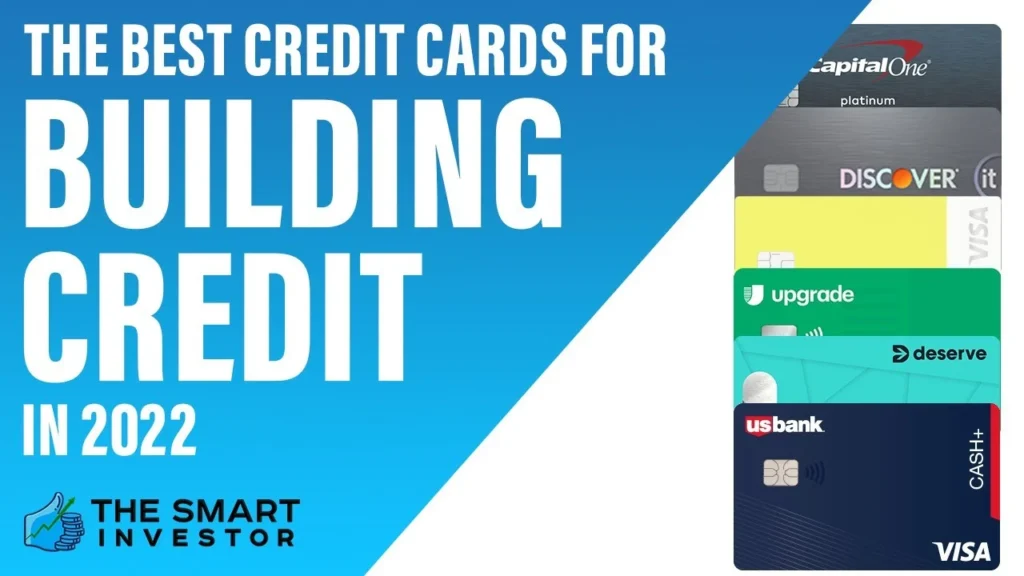
Below is a curated list of the most effective cards designed specifically for those who need to establish or rebuild their credit profile. Each option meets essential criteria: regular reporting to the three major bureaus, low or no annual fees, and tools that help you stay on track.
- Discover it® Secured Credit Card – Ideal for beginners, this secured card requires a refundable security deposit and offers cash‑back rewards.
- Capital One Platinum Secured Credit Card – Features a lower minimum deposit and automatic credit line reviews that can increase your limit without extra deposits.
- Petal® 2 “Cash Back, No Fees” Visa – Uses alternative data (like income and spending habits) to approve applicants with limited credit history.
- Secured Mastercard® from Citi – Offers a straightforward reporting system and a modest annual fee that many find acceptable for the credit‑building benefits.
- OpenSky® Secured Visa® Credit Card – Does not require a credit check, making it accessible for those with a thin or damaged credit file.
Why These Are the Best Credit Cards for Building Credit History
All the cards listed above share three core attributes that make them the best credit cards for building credit history. First, they report payment activity to Experian, TransUnion, and Equifax, ensuring that every on‑time payment contributes positively to your credit file. Second, they maintain low or zero annual fees, preventing unnecessary cost burdens that could derail your budgeting efforts. Finally, each card provides tools—such as automatic alerts, free credit score monitoring, and flexible credit limit adjustments—to help you stay disciplined.
If you’re also concerned about managing debt, consider reading our comprehensive guide on credit card debt consolidation options. Understanding consolidation strategies can be a safety net if you ever find your balances growing beyond your comfort zone.
How to Use the Best Credit Cards for Building Credit History Effectively
Owning a card alone won’t automatically boost your score. The following practices are essential for extracting maximum benefit from the best credit cards for building credit history:
- Pay on time, every time – Payment history accounts for roughly 35 % of a FICO score. Set up automatic payments or calendar reminders to avoid missed due dates.
- Keep utilization low – Aim to use no more than 30 % of your total credit limit across all cards. For a $500 secured limit, try to keep balances under $150.
- Monitor your credit reports – Take advantage of free quarterly reports from AnnualCreditReport.com and the free score trackers many issuers provide.
- Gradually increase limits – After six months of on‑time payments, request a credit limit increase. A higher limit can lower utilization, but only if you resist the urge to spend more.
- Avoid unnecessary hard inquiries – Applying for multiple cards at once can temporarily dip your score. Focus on one or two cards that align with your goals.
For those looking to accelerate their progress, our article on how to improve credit score quickly offers proven tactics that complement responsible credit‑card usage.
Choosing the Right Card: No Annual Fee vs. Secured Options
While the best credit cards for building credit history often have no annual fee, some secured cards may charge a modest fee to offset administrative costs. If you’re deciding between a no‑fee unsecured card and a secured alternative, consider the following:
- Credit limit flexibility – Secured cards tie your limit to a deposit, which can be a drawback if you need higher purchasing power early on.
- Reward structures – Some no‑fee cards, such as the no annual fee credit cards comparison list, offer cash‑back or points that unsecured cards typically provide.
- Transition to unsecured status – Several issuers automatically upgrade secured cards to unsecured after a period of good behavior, returning your deposit.
Common Mistakes to Avoid When Building Credit
Even with the best credit cards for building credit history in hand, missteps can erode your progress. Keep an eye out for these frequent errors:
- Carrying a balance month‑to‑month – Interest charges compound quickly, and high balances can inflate utilization.
- Missing payments – A single late payment can drop a score by 60‑100 points.
- Closing old accounts prematurely – Length of credit history contributes to your score; keep older cards open, even if you rarely use them.
- Ignoring statements – Review each statement for unauthorized charges and to verify that your issuer reports activity accurately.
Frequently Asked Questions
Do secured credit cards really help improve my credit score?
Yes. Secured cards report payment activity just like unsecured cards. As long as you make timely payments and keep utilization low, the positive data will flow to the bureaus, gradually raising your score.
How long does it take to see a noticeable improvement?
Typically, you’ll notice a modest increase within three to six months of consistent, responsible use. Major jumps usually occur after a year of on‑time payments and low utilization.
Can I have multiple credit‑building cards at the same time?
It’s possible, but not always advisable. Multiple cards can increase your total available credit, lowering utilization, but they also raise the risk of missed payments and add more hard inquiries if you apply for several simultaneously.
Will my deposit be returned if I close a secured card?
Most issuers refund the security deposit after you close the account in good standing, provided all balances are paid off. Check the card’s terms for any processing fees.
Is it better to choose a card with rewards while building credit?
Rewards can be a nice bonus, but they shouldn’t outweigh the card’s core credit‑building features. Opt for a card that offers both reasonable rewards and the essential reporting and fee structures needed for credit growth.
Building a robust credit history is a marathon, not a sprint. By selecting the best credit cards for building credit history, adhering to disciplined payment habits, and staying vigilant about utilization, you lay a foundation that will serve you for years to come. As your credit strengthens, you’ll unlock better loan terms, higher credit limits, and greater financial flexibility—empowering you to pursue larger goals with confidence.