Carrying balances across multiple credit cards can quickly become overwhelming, especially when interest rates climb and minimum payments eat up a larger portion of your budget. The good news is that a well‑structured strategy—often referred to as credit card debt consolidation options—can simplify repayment, lower interest costs, and help you regain control of your finances. This article delves deep into the variety of solutions available, the circumstances under which each works best, and practical tips to ensure you choose the most suitable path.
Before we explore the specific methods, it’s essential to understand why consolidation matters. By merging several high‑interest balances into a single, more manageable payment, you reduce the mental load of tracking multiple due dates and can often negotiate a lower overall APR. Moreover, a consolidated approach can positively impact your credit utilization ratio, which is a key factor in your credit score. If you’re curious about how this ties into overall credit health, see our guide on improving your credit score quickly.
Below, we’ll examine the most common credit card debt consolidation options—from balance transfer credit cards to personal loans and debt management programs—providing clear criteria to help you assess which route aligns with your financial situation.
Understanding Credit Card Debt Consolidation Options
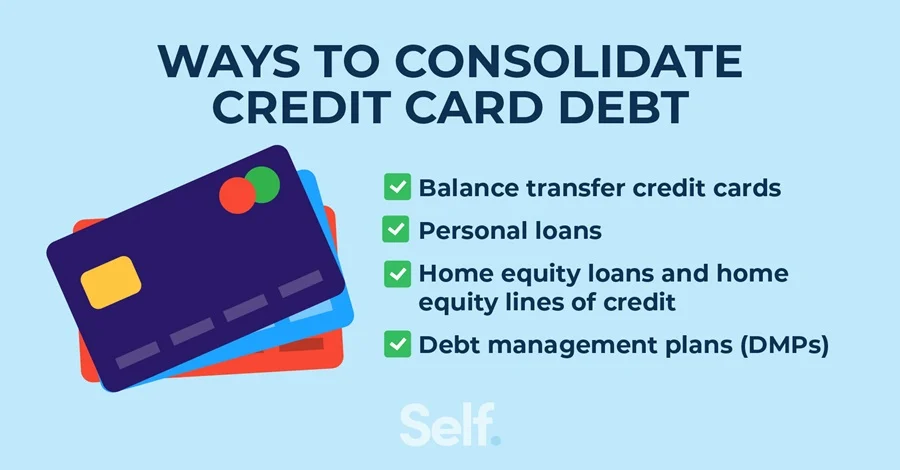
At its core, a credit card debt consolidation option is any method that combines multiple credit card balances into a single, more affordable payment plan. The primary goals are to reduce interest rates, streamline payments, and ideally, shorten the payoff timeline. While the terminology may sound uniform, each option carries distinct features, eligibility requirements, and potential pitfalls.
Balance Transfer Credit Cards: A Popular Credit Card Debt Consolidation Option
Balance transfer cards are a classic credit card debt consolidation option. They allow you to move existing balances from high‑interest cards to a new card that often offers an introductory 0% APR for a set period, typically 12 to 18 months. During this promotional window, you can pay down the principal without accruing additional interest.
- Pros: Zero‑interest period, simplicity—just one payment each month, and potentially lower fees if you choose a card with a modest balance transfer fee.
- Cons: Transfer fees (usually 3‑5% of the transferred amount), the need for good to excellent credit to qualify, and a steep standard APR once the promotional period ends.
To maximize this credit card debt consolidation option, aim to clear the transferred balance before the introductory rate expires. Otherwise, the savings may evaporate under a higher standard rate.
Personal Loans: Structured Payments for Credit Card Debt Consolidation Options
Personal loans represent another robust credit card debt consolidation option. Unlike credit cards, loans provide a fixed amount of money with a predetermined interest rate and a set repayment term—often ranging from 24 to 60 months. Because personal loans are installment‑based, they can offer lower APRs than most credit cards, especially for borrowers with solid credit histories.
- Pros: Predictable monthly payments, potentially lower interest rates, and a single monthly due date.
- Cons: Application process may involve a hard credit pull, possible origination fees, and the need for a stable income to qualify.
If you decide to pursue a personal loan, compare offers from banks, credit unions, and online lenders. Many platforms provide quick pre‑qualification checks that won’t affect your credit score.
Home Equity Loans and HELOCs: Leveraging Property for Credit Card Debt Consolidation Options
Home equity loans and Home Equity Lines of Credit (HELOCs) let you tap into the equity you’ve built in your property. These are attractive credit card debt consolidation options because they often feature lower interest rates than unsecured credit cards or personal loans. However, they also put your home at risk if you cannot meet repayment obligations.
- Pros: Lower APRs, tax-deductible interest in some jurisdictions (consult a tax professional), and higher borrowing limits.
- Cons: Risk of foreclosure, longer application process, and possible closing costs.
Use this method only if you have sufficient home equity and a reliable income stream to ensure timely payments.
Debt Management Programs (DMPs): Guided Support for Credit Card Debt Consolidation Options
A Debt Management Program, typically offered by nonprofit credit counseling agencies, is a collaborative credit card debt consolidation option where the agency negotiates lower interest rates and waived fees on your behalf. You then make a single monthly payment to the agency, which distributes the funds to your creditors.
- Pros: Professional negotiation, structured repayment plan, and often no upfront fees.
- Cons: May affect your credit score temporarily, limited to unsecured debt, and the program can last three to five years.
Before enrolling, verify that the counseling agency is accredited by organizations such as the National Foundation for Credit Counseling (NFCC).
Choosing the Right Credit Card Debt Consolidation Option for You
Selecting the optimal credit card debt consolidation option hinges on several personal factors: credit score, total debt amount, income stability, and your tolerance for risk. Below are key considerations to guide your decision.
Assess Your Credit Score First
Your credit rating heavily influences which options are realistically available. For instance, balance transfer cards and personal loans typically require a credit score of 670 or higher. If your score falls below this threshold, you may need to explore secured options like a home equity loan or a debt management program.
Calculate the Total Cost of Consolidation
Look beyond the headline interest rate. Include balance transfer fees, loan origination fees, and any annual fees associated with a new credit card. A quick cost‑benefit analysis helps ensure that the chosen credit card debt consolidation option truly saves you money over time.
Consider the Repayment Timeline
Some options, like balance transfer cards, require aggressive repayment within the promotional period. Others, such as personal loans, spread payments over a longer term, which reduces monthly obligations but may increase total interest paid. Align the timeline with your cash flow and financial goals.
Evaluate the Impact on Your Credit Utilization
Consolidating debt can improve your credit utilization ratio—the amount of credit you’re using versus your total available credit. A lower ratio generally boosts your credit score. However, opening new credit accounts can cause a temporary dip due to hard inquiries. Weigh these effects when selecting a credit card debt consolidation option.
Check for Hidden Fees and Penalties
Some programs impose prepayment penalties or charge fees for missed payments. Read the fine print carefully. If you anticipate occasional cash flow gaps, opt for an option with flexible payment provisions.
Step‑by‑Step Guide to Implement Your Credit Card Debt Consolidation Strategy
Once you’ve identified the most suitable credit card debt consolidation option, follow these practical steps to execute the plan effectively.
1. Gather All Credit Card Statements
Collect the latest statements for each card, noting balances, interest rates, and minimum payments. Create a spreadsheet to visualize the total debt and prioritize high‑interest accounts.
2. Check Your Credit Report
Obtain a free copy of your credit report from the major bureaus. Verify that all information is accurate, as errors can affect eligibility for the best consolidation offers.
3. Apply for the Chosen Consolidation Tool
If you’ve selected a balance transfer card, submit the application and, once approved, initiate the transfers—often through the issuer’s online portal. For a personal loan, complete the lender’s application, provide required documentation, and accept the loan agreement.
4. Pay Off Existing Balances
After approval, use the new credit line or loan proceeds to clear the targeted credit card balances. Ensure that each old account shows a zero balance, or at least a reduced balance, to avoid accidental re‑accumulation of debt.
5. Set Up Automatic Payments
To prevent missed payments, set up automatic monthly debits from your checking account. This habit also helps you stay on track with the repayment schedule.
6. Monitor Your Progress
Regularly review your statements and track how much principal you’ve paid down each month. Adjust your budget if you can allocate extra funds toward the consolidated debt, accelerating the payoff.
Potential Pitfalls and How to Avoid Them

Even the best credit card debt consolidation options can backfire if not managed correctly. Below are common mistakes and preventive measures.
Relying on Consolidation Without Changing Spending Habits
Consolidating debt without addressing the underlying spending patterns often leads to re‑accumulating balances. Adopt a disciplined budget, limit discretionary purchases, and consider using cash‑envelope or zero‑based budgeting methods.
Missing the Promotional Period on Balance Transfers
If you miss the deadline for the 0% APR period, the remaining balance may jump to a high standard rate. Set calendar reminders a month before the expiration date to prioritize payoff.
Choosing a Loan With Unfavorable Terms
Some lenders may offer low introductory rates but include steep fees or variable interest that can rise sharply. Scrutinize the Annual Percentage Rate (APR), not just the nominal rate.
Neglecting to Update Automatic Payments
If your old cards close or change due dates, you might miss payments on the new consolidated account. Keep your payment information up‑to‑date in your banking app.
Frequently Asked Questions
Can I consolidate credit card debt with a 0% balance transfer if I have bad credit?
Most balance transfer cards require at least a fair to good credit score (typically 670+). Borrowers with lower scores may still qualify for secured options like a home equity loan or a debt management program, but the interest rates may be higher.
Will consolidating my credit card debt hurt my credit score?
Initially, a hard inquiry and opening a new account can cause a slight dip. However, as you reduce overall utilization and make timely payments, your score generally improves over time.
Is it better to use a personal loan or a balance transfer?
The answer depends on your specific situation. Balance transfers are ideal for short‑term payoff if you can clear the balance within the promotional window. Personal loans are better for longer repayment horizons and provide fixed monthly amounts.
What if I can’t afford the monthly payment on my consolidation loan?
Contact the lender immediately. Some lenders offer hardship programs, payment deferrals, or loan restructuring. Ignoring the issue can lead to default and more severe credit damage.
Do debt management programs affect my credit report?
Enrolling in a DMP is reported as a “paid as agreed” status, which can be viewed positively. However, the presence of a DMP may be noted, and you’ll typically be unable to open new credit lines while in the program.
In summary, navigating the landscape of credit card debt consolidation options requires a clear understanding of each method’s mechanics, costs, and suitability for your financial profile. By conducting a thorough assessment, selecting the right tool, and committing to disciplined repayment, you can transform a daunting mountain of credit card balances into a manageable, single payment—and set the stage for a healthier financial future. For further reading on related topics, explore our guide on no annual fee credit cards to see how choosing the right card can complement your debt‑reduction strategy.