Finding a credit card that aligns with your spending habits, rewards goals, and budget can feel like navigating a maze. The good news is that the market offers a growing selection of fee‑free options, allowing you to reap benefits without the drag of an annual charge. This article walks you through a comprehensive no annual fee credit cards comparison that highlights the most competitive cards available today, explains what to look for, and offers practical tips for making the right choice.
Whether you’re a frequent traveler, a cashback enthusiast, or someone who simply wants a reliable backup card, the right fee‑free card can add value to everyday purchases and special occasions alike. By comparing key metrics such as reward rates, introductory offers, and ancillary perks, you’ll be equipped to select a card that maximizes returns while keeping costs at zero.
Below, we break down the top contenders, analyze their strengths and weaknesses, and provide a step‑by‑step guide for conducting your own no annual fee credit cards comparison. Let’s get started.
no annual fee credit cards comparison: Top Picks for 2024

Our curated list reflects cards that consistently receive high marks from both consumers and industry experts. Each card is evaluated on reward structure, welcome bonuses, ongoing benefits, and overall cost‑effectiveness.
| Card | Reward Type | Welcome Bonus | Key Perks | APR (Variable) |
|---|---|---|---|---|
| Chase Freedom Flex® | 5% cash back on rotating categories | $200 bonus after $500 spend | Purchase protection, travel insurance | 13.99% – 23.74% |
| Capital One Quicksilver Cash Rewards | 1.5% unlimited cash back | $200 bonus after $500 spend | No foreign transaction fees | 14.99% – 24.99% |
| Citi® Double Cash Card | 2% cash back (1% on purchase, 1% on payment) | None | Balance transfer intro APR 0% for 18 months | 13.99% – 23.99% |
| Discover it® Cash Back | 5% cash back on quarterly rotating categories | Cash back match after 1 year | Free FICO® Score, no foreign fees | 11.99% – 22.99% |
| American Express Blue Cash Everyday® | 3% on groceries, 2% on gas & transit | $200 statement credit after $2,000 spend | Purchase protection, return protection | 13.99% – 23.99% |
How to Conduct a No Annual Fee Credit Cards Comparison
Before you settle on a card, follow these systematic steps to ensure your decision is data‑driven and tailored to your needs:
- Define your primary goal. Are you chasing cashback, travel miles, or a low APR for balance transfers?
- Map your spending patterns. Use your last three months of statements to identify categories where you spend the most.
- Calculate effective reward value. Convert points or miles into cash equivalents to compare apples‑to‑apples.
- Factor in introductory offers. A generous sign‑up bonus can offset a higher APR in the short term.
- Review ancillary benefits. Look for purchase protection, travel insurance, and other perks that add hidden value.
- Check the fine print. Beware of foreign transaction fees, balance transfer fees, and penalty APR triggers.
By applying this framework, you’ll be able to produce a personalized no annual fee credit cards comparison that highlights the card delivering the highest net benefit for your unique situation.
Reward Structures Explained
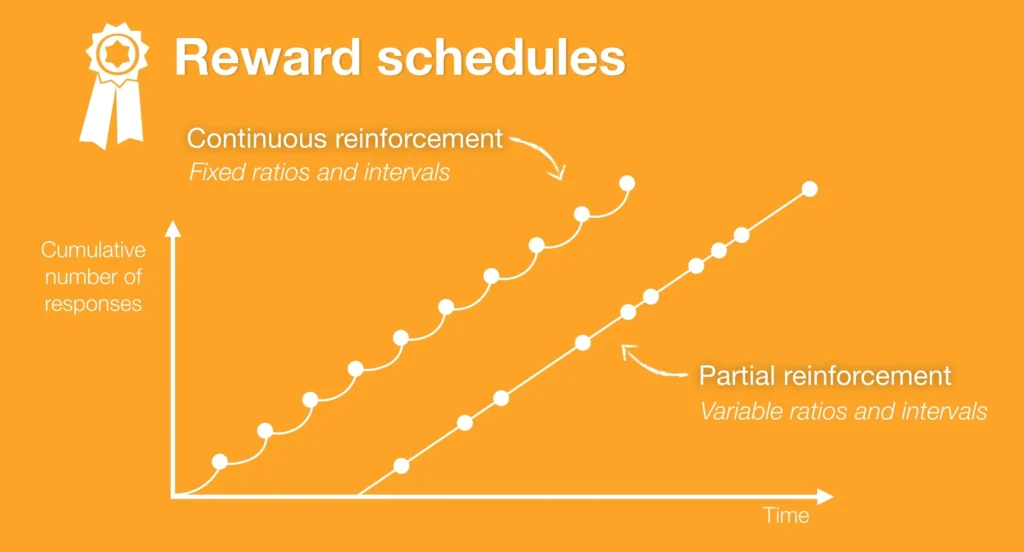
Reward structures can be broadly categorized into flat‑rate, tiered, and rotating categories. Understanding each model helps you match a card to your spending behavior.
Flat‑Rate Rewards
Flat‑rate cards, such as the Capital One Quicksilver Cash Rewards card, grant a uniform percentage on every purchase. This simplicity is ideal for users who prefer a “set it and forget it” approach. While the rate may be lower than the peak percentages on rotating‑category cards, the lack of tracking makes it easier to maximize returns.
Tiered Rewards
Tiered cards, like the American Express Blue Cash Everyday®, offer higher rates in specific categories (e.g., groceries, gas) and a baseline rate elsewhere. If your expense profile aligns with these high‑earning categories, tiered cards can outperform flat‑rate alternatives.
Rotating‑Category Rewards
Rotating‑category cards, exemplified by Chase Freedom Flex® and Discover it® Cash Back, provide elevated cash back (usually 5%) on a set of categories that change quarterly. The key to extracting maximum value is to monitor the activation schedule and align purchases accordingly. This model can deliver the highest effective cash back for disciplined users.
Key Considerations Beyond Rewards

Reward rates are only part of the equation. A thorough no annual fee credit cards comparison also weighs additional factors that influence overall card value.
APR and Financing Flexibility
If you anticipate carrying a balance, prioritize cards with a low variable APR or attractive introductory balance‑transfer periods. The Citi® Double Cash Card, for instance, offers a 0% intro APR on balance transfers for 18 months, providing a cost‑effective bridge for debt consolidation.
Foreign Transaction Fees
Travelers should verify that the card imposes no foreign transaction fees. The Capital One Quicksilver and Discover it® cards both waive these fees, making them ideal companions abroad.
Customer Service and Digital Experience
Responsive customer support, robust mobile apps, and easy account management tools can significantly affect satisfaction. Cards issued by major banks like Chase and American Express typically score high in these areas.
Side‑by‑Side Comparison Table
| Feature | Chase Freedom Flex® | Capital One Quicksilver | Citi® Double Cash | Discover it® Cash Back | Amex Blue Cash Everyday® |
|---|---|---|---|---|---|
| Annual Fee | $0 | $0 | $0 | $0 | $0 |
| Cash Back Rate (Base) | 1% | 1.5% | 1% (on purchase) + 1% (on payment) | 1% | 1% |
| Rotating Category Rate | 5% (quarterly) | — | — | 5% (quarterly) | — |
| Welcome Bonus | $200 after $500 spend | $200 after $500 spend | None | Cash back match after 1 yr | $200 statement credit after $2,000 spend |
| Intro APR (Balance Transfers) | 0% for 15 months | 0% for 12 months | 0% for 18 months | 0% for 14 months | 0% for 15 months |
| Foreign Transaction Fees | 3% | 0% | 3% | 0% | 0% |
Real‑World Use Cases
To illustrate how a no annual fee credit cards comparison can translate into tangible savings, consider three typical consumer profiles.
Case 1: The Everyday Cashback Collector
Maria spends most of her budget on groceries, gas, and dining out. The American Express Blue Cash Everyday® gives her 3% on groceries and 2% on gas, resulting in an average 2.5% cash back on core expenses. Compared with a flat‑rate 1.5% card, she earns roughly $150 more annually on a $6,000 monthly spend.
Case 2: The Rotating‑Category Enthusiast
James enjoys hunting quarterly bonus categories. By activating the 5% categories on his Chase Freedom Flex® card—such as “groceries” and “online shopping”—he captures $400 in extra cash back over a year, surpassing the flat‑rate Quicksilver’s $300 on the same spend volume.
Case 3: The Balance‑Transfer Strategist
Elena carries a $5,000 credit card balance at 22% APR. She transfers the balance to the Citi® Double Cash Card’s 0% intro APR for 18 months, saving roughly $1,800 in interest while simultaneously earning cash back on new purchases.
Tips for Maximizing No Annual Fee Cards
- Combine multiple fee‑free cards. Pair a flat‑rate card with a rotating‑category card to cover all spending angles.
- Automate bonus category tracking. Use calendar reminders or budgeting apps to stay on top of quarterly changes.
- Pay in full each month. Avoid interest charges that can quickly erase any reward gains.
- Leverage introductory offers. Meet the spend threshold early to lock in bonuses, then transition to long‑term usage.
- Review statements regularly. Look for missed bonus activations or potential fee assessments.
Frequently Asked Questions
What is the biggest advantage of a no annual fee credit card?
The primary benefit is cost avoidance. You keep 100% of the rewards earned without having to offset an annual fee, which makes the net return higher, especially for low‑to‑moderate spenders.
Do no annual fee cards offer travel perks?
While many premium travel cards carry fees, several fee‑free cards still provide basic travel benefits such as rental car insurance, trip interruption coverage, and no foreign transaction fees.
Can I get a sign‑up bonus on a fee‑free card?
Yes. Cards like Chase Freedom Flex® and Capital One Quicksilver often feature cash‑back bonuses after meeting a modest spend requirement, typically $500–$2,000 within the first three months.
How often do rotating categories change?
Most issuers update their bonus categories quarterly, usually at the start of each calendar quarter. It’s important to check the issuer’s website or app to activate the new categories.
Is my credit score affected by applying for multiple fee‑free cards?
Each application results in a hard inquiry, which can temporarily lower your score by a few points. Space out applications and only apply for cards that align with your financial goals.
Choosing the right card from a no annual fee credit cards comparison ultimately hinges on matching the card’s reward mechanics and ancillary benefits to your personal spending habits. By taking the time to analyze offers, calculate effective cash back, and consider long‑term costs, you’ll secure a fee‑free credit card that not only fits your lifestyle but also adds genuine financial value. Happy card hunting!