When you’re planning an overseas trip or making a purchase in a different currency, the last thing you want to worry about is an unexpected surcharge on your credit card statement. Yet foreign transaction fees can silently erode the value of every purchase you make abroad, turning a modest expense into a surprisingly pricey one. Understanding how these fees work, which cards charge them, and how to minimize or eliminate them is essential for any traveler, expatriate, or digital nomad.
This credit card foreign transaction fees guide aims to demystify the hidden costs associated with cross‑border spending. We’ll break down the mechanics behind the fees, compare card issuers, and provide practical strategies to keep your wallet happy while you explore the world. Whether you’re a frequent flyer, a student studying overseas, or a small‑business owner handling international invoices, the insights below will help you make smarter card choices and avoid unnecessary expenses.
Before diving into the specifics, it’s worth noting that foreign transaction fees are not the only extra cost you might encounter abroad. Currency conversion rates, dynamic currency conversion (DCC) offers, and even ATM withdrawal fees can add up. By the end of this article, you’ll have a clear roadmap for navigating all of these pitfalls, allowing you to focus on the experience rather than the expense.
Credit Card Foreign Transaction Fees Guide: Understanding the Basics
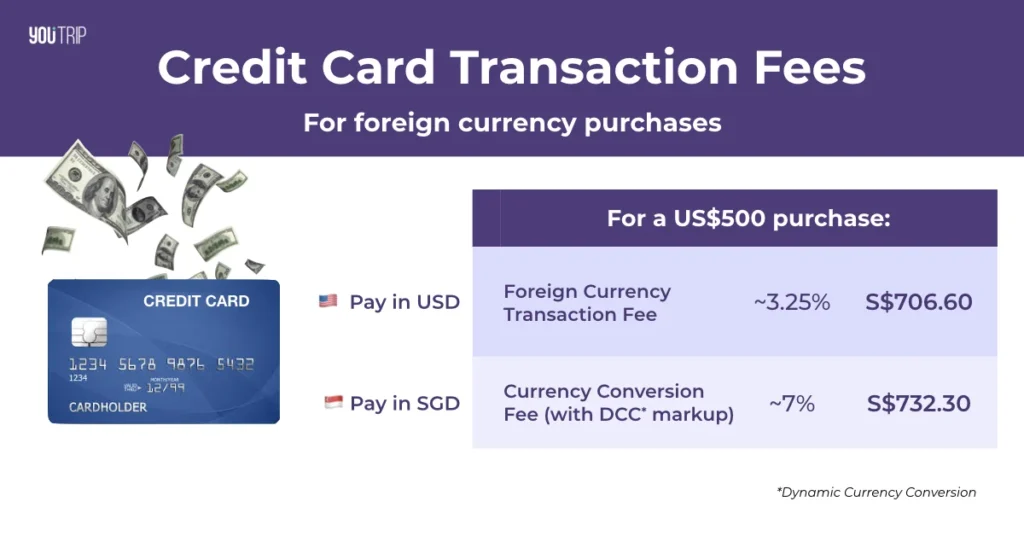
At its core, a foreign transaction fee—sometimes called an overseas or cross‑border fee—is a percentage charged by the card issuer each time you make a purchase in a currency other than the one your account is denominated in. The typical rate ranges from 1% to 3% of the transaction amount, though some premium cards waive the fee entirely.
Why do issuers levy this fee? Primarily, they cover the costs associated with processing the transaction through foreign payment networks, handling currency conversion, and mitigating additional risk. However, the fee is also a source of revenue, and not all issuers pass the cost on to the consumer. Knowing which cards charge what—and why—gives you leverage when selecting the right card for your travel needs.
Credit Card Foreign Transaction Fees Guide: Types of Fees and How They Are Applied
- Standard Percentage Fee: Most common, typically 1%–3% of each foreign purchase.
- Flat‑Rate Fees: Rare, but some issuers may charge a fixed amount per transaction.
- Combined Fees: Some cards add the foreign transaction fee on top of other charges such as ATM withdrawal fees or annual fees.
- Dynamic Currency Conversion (DCC) Markup: Not a fee per se, but a retailer’s conversion rate that can be 3%–5% higher than the network rate, effectively increasing your cost.
When a transaction is processed, the merchant’s payment terminal typically sends the amount in the local currency to the card network (Visa, Mastercard, etc.). The network then converts that amount to your card’s billing currency using its exchange rate, adds the foreign transaction fee, and forwards the total to your issuer. The final amount appears on your statement, usually with a line item indicating the fee.
How to Identify Cards That Charge Foreign Transaction Fees
The first step in any credit card foreign transaction fees guide is to audit your current wallet. Look at the terms and conditions for each card, or simply search online for “card name + foreign transaction fee.” Most issuers list the fee clearly in the fee schedule or rewards overview.
Below is a quick reference for popular card categories:
- Travel‑focused premium cards: Often waive foreign transaction fees as a core benefit (e.g., Chase Sapphire Reserve, American Express Platinum).
- No‑annual‑fee cards: Many still impose a 2%–3% fee (e.g., Capital One Quicksilver).
- Student cards: Usually have a standard fee; however, some student‑specific cards may offer fee waivers to attract young travelers. See our Student Credit Cards with Low Interest Rates – A Comprehensive Guide for more details.
- Business cards: Fees vary; premium business cards often waive them, while basic corporate cards may not.
Strategies to Avoid or Reduce Foreign Transaction Fees
Now that you know which cards charge fees, let’s explore actionable ways to sidestep them. The best approach often combines card selection with savvy spending habits.
Choose a Fee‑Free Card for International Use
The simplest solution is to use a card that already waives foreign transaction fees. Many travel rewards cards do this as a standard perk. For instance, the best travel rewards credit cards frequently include fee waivers, making them ideal for frequent flyers.
Leverage Multi‑Currency Debit Cards
Some fintech providers offer debit cards that let you hold multiple currencies at no conversion cost. While not a credit card, a multi‑currency debit card can be a useful backup when you run out of credit or need to avoid fees on cash withdrawals.
Use Card Networks That Offer Better Exchange Rates
Visa and Mastercard generally provide competitive conversion rates, but some cards partner with networks that have slightly lower margins. Research which network your card uses and compare it to the rates offered by alternative cards.
Avoid Dynamic Currency Conversion
When a merchant offers to charge you in your home currency, decline the offer. Let the card network handle the conversion; otherwise, you may pay an additional 3%–5% markup on top of any foreign transaction fee.
Combine Cards for Maximum Flexibility
If you travel often, consider carrying a primary fee‑free card for most purchases and a backup no‑annual‑fee card that offers a modest fee waiver or lower fee percentage. This redundancy ensures you’re never stuck without a payment method if a merchant doesn’t accept your primary card.
Impact of Foreign Transaction Fees on Rewards and Points
Foreign transaction fees don’t just affect your bottom line—they also diminish the value of any rewards you earn. For example, a 3% fee on a $500 purchase erodes $15, which could have been a bonus point or cash‑back amount. When evaluating a card’s reward structure, always factor in the potential fee loss if you plan to use the card abroad.
Some cards mitigate this by offering higher reward rates on travel purchases, effectively offsetting the fee. However, it’s crucial to run the numbers: if the fee exceeds the extra points earned, the card isn’t a net positive.
Credit Card Foreign Transaction Fees Guide: Calculating the Real Cost
Here’s a quick formula to estimate the impact:
Total Cost = Purchase Amount + (Purchase Amount × Foreign Transaction Fee %) + (Purchase Amount × DCC Markup % if applicable)
Compare this total to the cash‑back or points you would earn. If the net reward value is lower than the fee, look for an alternative card.
Special Considerations for Specific User Groups
Students Studying Abroad
Students often face tight budgets, making foreign transaction fees a significant burden. Look for student‑oriented cards that either waive the fee or pair a low‑interest rate with fee‑free foreign purchases. Our Student Credit Cards with Low Interest Rates – A Comprehensive Guide highlights several options.
Small Business Owners Handling International Clients
For small businesses, foreign transaction fees can accumulate quickly across multiple invoices. Many business credit cards that focus on travel rewards also provide fee waivers, making them a dual‑purpose tool. See the Credit Card Rewards Programs for Small Businesses – A Complete Guide for a deeper dive.
Frequent Flyers and Digital Nomads
Travel‑centric premium cards are the go‑to choice for frequent flyers. Not only do they waive foreign transaction fees, but they often come with airline lounge access, travel insurance, and higher rewards on airline and hotel spending. Pairing a fee‑free card with a no‑annual‑fee backup can keep costs low while preserving premium benefits.
Negotiating or Reducing Fees: When Is It Worth It?
If you already own a card that charges a foreign transaction fee, you might wonder whether you can negotiate a lower rate. While issuers are generally firm on fee structures, there are scenarios where a conversation can pay off—particularly if you have a strong payment history or hold multiple accounts with the same bank.
Our How to Negotiate Lower Credit Card Interest Rates: A Step‑by‑Step Guide outlines tactics that also apply to fee negotiations: call the issuer, highlight your loyalty, and request a fee waiver or reduction. Success isn’t guaranteed, but the effort is often worth the potential savings.
Choosing the Right Card: A Quick Decision Framework
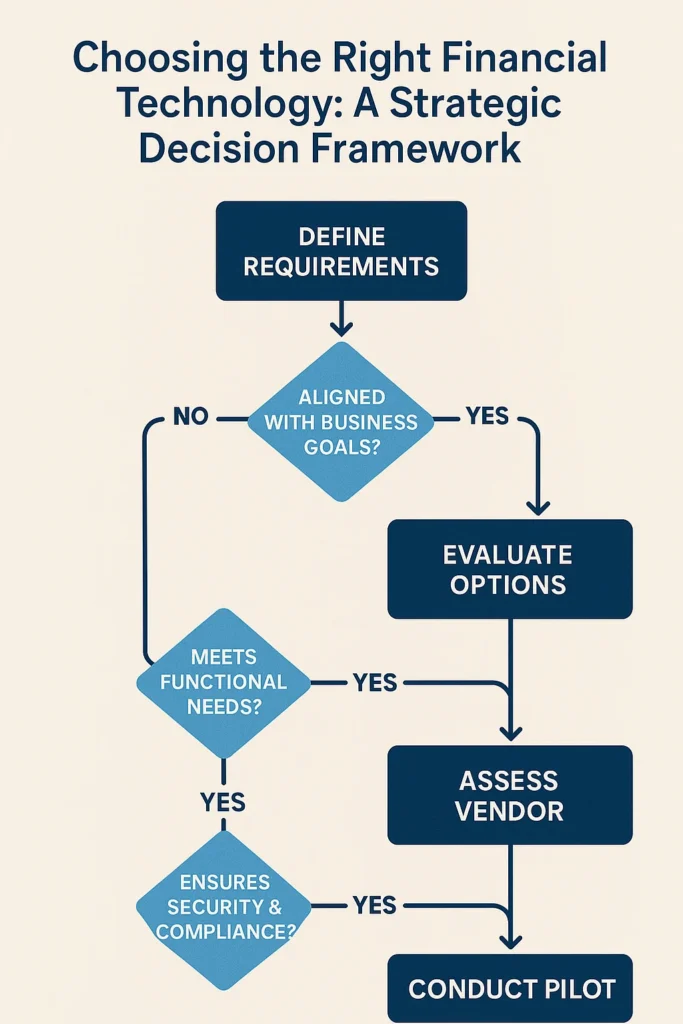
- Identify Your Travel Frequency: Occasional travelers can stick with a no‑annual‑fee card that offers a modest fee waiver. Frequent travelers should prioritize fee‑free premium cards.
- Analyze Reward Structure: Ensure the points or cash‑back earned offset any potential fees.
- Check Acceptance Networks: Visa and Mastercard have the broadest global acceptance; American Express may be limited in some regions.
- Consider Ancillary Benefits: Travel insurance, lounge access, and purchase protection can add value beyond fee savings.
- Review Annual Fees: A higher annual fee may be justified if the card eliminates foreign transaction fees and offers substantial rewards.
Frequently Asked Questions
What is the typical foreign transaction fee percentage?
Most cards charge between 1% and 3% of each foreign purchase. Premium travel cards often waive this fee entirely.
Do cash withdrawals from ATMs abroad incur foreign transaction fees?
ATM withdrawals usually have separate fees: a per‑transaction charge from the ATM operator, plus any cash‑advance fee from your issuer. Foreign transaction fees typically apply only to purchase transactions, not cash withdrawals.
Can I avoid foreign transaction fees by using a debit card?
Some debit cards, especially those from fintech companies, allow fee‑free foreign spending. However, debit cards may lack the purchase protections and rewards that credit cards offer.
Is Dynamic Currency Conversion the same as a foreign transaction fee?
No. DCC is a merchant‑offered service that converts the price into your home currency at a marked‑up rate. It’s an additional cost on top of any foreign transaction fee.
How do I find a credit card that doesn’t charge foreign transaction fees?
Search for “no foreign transaction fee credit cards” or refer to our No Annual Fee Credit Cards Comparison – Best Picks & How to Choose article, which lists several fee‑free options across different issuers.
By understanding the mechanics behind foreign transaction fees, selecting the right cards, and employing smart spending habits, you can dramatically reduce the hidden costs of international purchases. Armed with this credit card foreign transaction fees guide, you’re now ready to travel, shop, or conduct business abroad with confidence—knowing that every dollar you spend is working as hard as possible for you.