Traveling can be one of life’s greatest pleasures, but it also brings a host of unexpected risks—from lost luggage to medical emergencies abroad. Many travelers assume they must purchase separate travel insurance policies, yet a growing number of credit cards embed comprehensive travel protection directly into their terms. Understanding how these built‑in policies work can save you both money and stress.
In this article we’ll break down the nuances of credit card travel insurance benefits explained, showing you exactly what’s covered, where the gaps lie, and how to make the most of the protection that comes with your card. Whether you’re a frequent flyer, a family vacationer, or a solo backpacker, the insights here will help you travel with confidence while keeping your wallet happy.
Before diving into the specifics, it’s worth noting that not every card offers the same level of coverage, and the eligibility criteria often hinge on how you charge your trip expenses. Paying for flights, hotels, and even rental cars with the appropriate card can unlock a suite of benefits that rival standalone travel policies.
Credit Card Travel Insurance Benefits Explained: Core Coverage Types
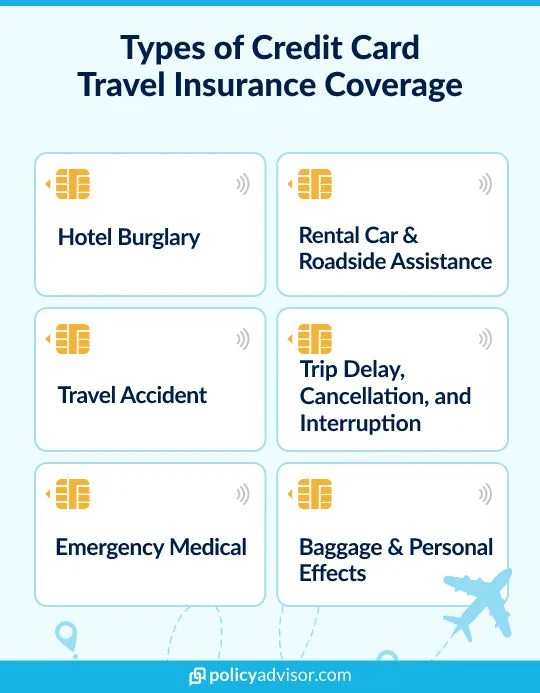
Most premium cards bundle several layers of protection under the umbrella of travel insurance. Below are the most common categories you’ll encounter when you read the fine print of “credit card travel insurance benefits explained.”
- Trip Cancellation/Interruption Insurance – Reimburses non‑refundable prepaid expenses if you need to cancel or cut short your trip due to covered reasons such as illness, severe weather, or a family emergency.
- Travel Accident Insurance – Provides a lump‑sum payment to you or your beneficiaries if you suffer a fatal or serious injury while traveling on a common carrier (airplane, train, bus, etc.).
- Medical and Emergency Evacuation Coverage – Pays for medical treatment overseas and arranges evacuation back to your home country when local facilities are inadequate.
- Lost or Delayed Baggage Protection – Offers reimbursement for essential items if your luggage is lost, stolen, or delayed beyond a set number of hours.
- Rental Car Collision Damage Waiver (CDW) – Acts as primary coverage for damage or theft of a rental vehicle when you use the card to pay for the rental.
- Travel Delay Compensation – Covers additional expenses like meals and lodging when a covered delay exceeds a specified threshold (usually 6‑12 hours).
Credit Card Travel Insurance Benefits Explained: Eligibility Requirements
Unlocking these benefits is rarely automatic. Credit card issuers typically require that you meet specific conditions, such as:
- Charging a minimum percentage of the total trip cost (often 50% or more) to the card.
- Using the card to pay for the primary transportation (airfare, train tickets, etc.).
- Having an active account in good standing at the time of travel.
- Submitting claims within the insurer’s stipulated time frame, usually 30‑60 days after the incident.
Failing to satisfy these prerequisites can result in denied claims, even if the policy technically includes the coverage you need.
Understanding the Limits and Exclusions

While credit card travel insurance benefits explained sound impressive, every policy has limits. Knowing the maximum payouts, deductible amounts, and exclusions can prevent unpleasant surprises.
Typical Coverage Limits
- Trip Cancellation/Interruption: $5,000 – $10,000 per trip, with some premium cards offering up to $25,000.
- Medical Expenses: $100,000 – $500,000, depending on the card tier.
- Emergency Evacuation: Often capped at $250,000 – $500,000, sufficient for most overseas scenarios.
- Baggage Delay: $100 – $200 per day, up to a maximum of $500 – $1,000.
- Rental Car CDW: Usually up to $75,000 – $100,000 in damage coverage.
Common Exclusions to Watch For
Even the most generous credit card travel insurance benefits explained will not cover everything. Typical exclusions include:
- Pre‑existing medical conditions unless a specific waiver is stated.
- Travel to countries under international sanctions or travel advisories.
- Losses due to reckless behavior, drug use, or participation in extreme sports (unless the card explicitly includes “adventure” coverage).
- Items of high value, such as electronics over a certain amount, unless you have separate personal property coverage.
Always read the policy wording or the issuer’s “Benefits Guide” to verify whether your planned activities are covered.
How to Maximize Your Credit Card Travel Insurance Benefits

Knowing the details is only half the battle; putting them into practice ensures you reap the full value of your card’s protection. Below are actionable tips to help you get the most out of “credit card travel insurance benefits explained.”
Tip 1: Consolidate Travel Expenses on One Card
Charge as many trip-related purchases as possible—flights, hotels, car rentals, and even meals—to a single card that offers the most robust travel insurance. This not only meets the eligibility threshold but also consolidates documentation for a smoother claims process.
Tip 2: Keep All Receipts and Confirmation Emails
Document every expense. Most insurers request original receipts, proof of payment, and proof of the incident (e.g., a police report for stolen luggage). Organizing these files in a digital folder before you travel can dramatically cut claim processing time.
Tip 3: Review the Policy Before You Book
Before finalizing any reservation, compare the coverage limits against the cost of your trip. If the cancellation limit is lower than your prepaid expenses, you might purchase supplemental coverage for the difference. A quick read of the credit card foreign transaction fees guide can also help you avoid unexpected currency conversion costs that could affect the total amount you need to protect.
Tip 4: Register Your Trip with the Card Issuer
Some issuers ask you to log your itinerary in an online portal. Doing so can trigger automatic alerts and expedite assistance if an emergency arises. It also serves as an extra verification step for the insurer.
Tip 5: Know When to Use the Card’s Emergency Hotline
Most premium travel cards provide 24/7 concierge or emergency assistance lines. In the event of a medical emergency or lost passport, calling this number can arrange medical evacuation, locate lost luggage, or even provide cash advances for immediate needs.
Comparing Credit Card Travel Insurance with Standalone Policies
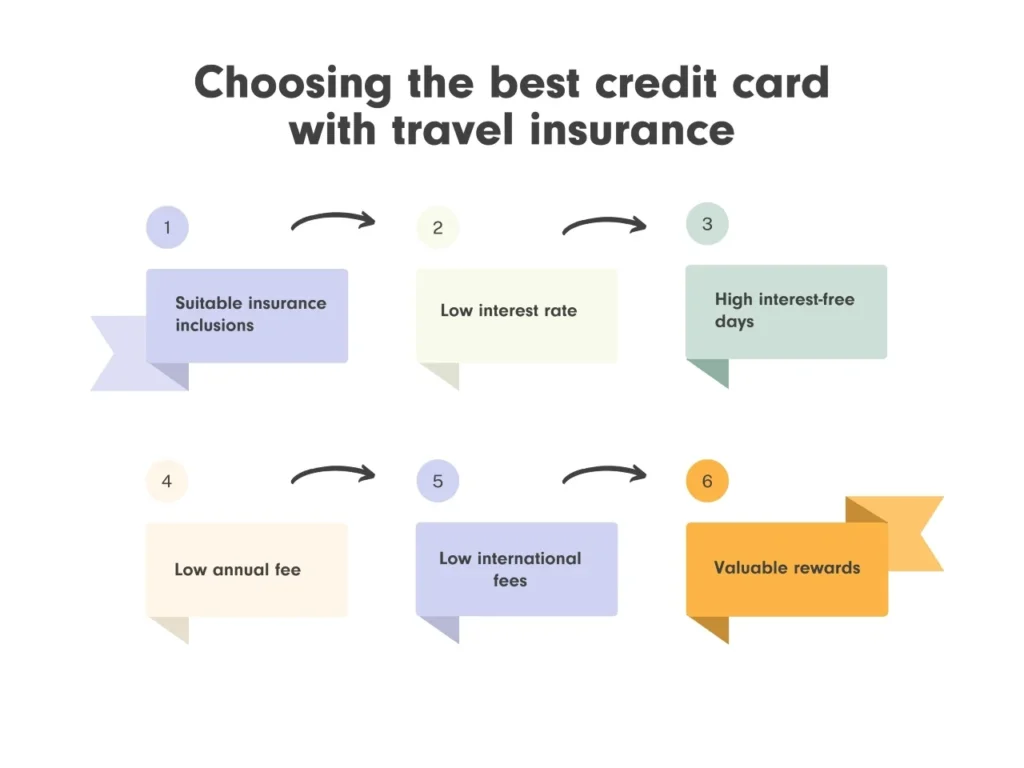
While credit card travel insurance benefits explained are attractive for their convenience and cost‑effectiveness, they are not a one‑size‑fits‑all solution. Here’s how they stack up against traditional travel insurance plans.
Advantages of Credit Card Coverage
- Zero Additional Premium: The coverage is included as a card perk, so you don’t pay an extra policy fee.
- Automatic Activation: Once you meet the spending criteria, protection kicks in without paperwork.
- Integrated Claims Process: Many issuers partner with reputable insurers, offering streamlined online claim portals.
When a Standalone Policy May Be Better
- Higher Coverage Limits: If you’re traveling with a large family or an expensive itinerary, the caps on a credit card may fall short.
- Specialized Coverage: Activities like scuba diving, mountaineering, or long‑term medical treatment often require dedicated policies.
- Extended Trip Durations: Some cards limit coverage to 30‑60 days, whereas a separate policy can cover trips lasting several months.
Assessing your travel style and risk tolerance will guide you in deciding whether to rely solely on credit card coverage or to supplement it with a dedicated travel insurance plan.
Frequently Asked Questions
Do I need to file a claim for every incident?
Yes. Even if the loss seems minor, filing a claim ensures you receive the reimbursement you’re entitled to. Many issuers require claims to be submitted within a specific window—usually 30‑60 days—so act promptly.
Can I combine benefits from multiple cards?
Technically you can, but the insurer will only honor the policy attached to the card used to pay for the specific expense. For instance, if you pay for your flight with Card A and your hotel with Card B, each card’s insurance will apply only to its respective purchase.
What documentation is needed for a medical claim?
You’ll typically need: the original medical invoices, a detailed medical report, proof of payment (receipt or credit card statement), and a completed claim form. Some insurers also request a copy of your passport and travel itinerary.
Are dependents covered under my card’s travel insurance?
Many premium cards extend coverage to immediate family members—spouse and children—provided the travel expenses are charged to the primary cardholder’s account. Verify the exact definition of “dependents” in your card’s policy.
How does the rental car CDW differ from my personal auto insurance?
The credit card’s CDW is typically primary coverage, meaning it pays out before any personal auto policy. It also often excludes liability coverage, which protects you if you’re at fault in an accident. Check both policies to avoid gaps.
Is travel delay coverage worth it?
If you frequently fly with airlines prone to weather‑related delays, the coverage can reimburse meals, lodging, and transportation for delays exceeding the policy’s threshold. It’s a modest but handy benefit that can add up during long layovers.
Can I use the benefits if I’m traveling for business?
Most credit card travel insurance benefits apply to both personal and business trips, as long as the expenses are charged to the qualifying card. However, some corporate travel policies may have exclusions; always double‑check.
By understanding the intricacies of credit card travel insurance benefits explained, you can travel smarter, safeguard your investments, and focus on the experiences that matter most. Remember to review your card’s specific terms, keep thorough records, and leverage the built‑in protections whenever possible. Safe travels!