When the weekly grocery list starts to look like a mountain, many shoppers turn to credit cards not just for convenience, but for the powerful rewards they can earn on everyday purchases. A well‑chosen rewards credit card can turn the routine act of buying milk, eggs, and fresh produce into a source of cash back, points, or travel miles that offset the cost of the bill. In a market flooded with offers, distinguishing the truly valuable cards from the noisy promotions can be overwhelming.
This article dives deep into the world of rewards credit cards for grocery shopping, highlighting the best options available in 2024, explaining the mechanics behind each program, and offering practical strategies to maximize every cent you spend at the supermarket. Whether you’re a single professional, a busy family, or a small‑business owner who stocks a pantry, the insights here will help you select the card that aligns with your spending habits and financial goals.
Beyond the core card recommendations, we’ll also explore common pitfalls, such as high annual fees that outweigh benefits, and reveal how to protect yourself from fraud while enjoying the perks of your rewards card. For readers interested in broader credit‑card topics, you may find our Credit Card Fraud Protection Tips – Essential Strategies for 2024 article useful for keeping your account safe.
Top Rewards Credit Cards for Grocery Shopping
The following selection represents the most competitive cards on the market for grocery spending. Each entry includes a brief overview of the rewards structure, key benefits, and any notable limitations.
- Card A – 6% Cash Back on Groceries: Offers a rotating 6% cash back category that includes supermarkets for the first three months after activation, then a flat 2% thereafter.
- Card B – 5% Points on Grocery Stores: Earns 5 points per dollar at grocery chains, redeemable for travel or statement credits at a 1:1 value.
- Card C – Unlimited 3% Cash Back: A simple flat‑rate 3% cash back on all grocery purchases, no caps, no rotating categories.
- Card D – Bonus Points for Organic Purchases: Partners with select health‑food stores, granting an extra 2 points per dollar on organic items.
Each of these cards qualifies as a leading rewards credit cards for grocery shopping option, but the best fit depends on how often you shop, where you shop, and whether you prefer cash back or points.
How to Choose the Right Rewards Credit Card for Grocery Shopping
Before you apply, evaluate the following criteria to ensure the card aligns with your lifestyle:
- Spending Frequency: If you spend $500+ monthly on groceries, a high‑rate rotating category may yield more value than a flat 2% rate.
- Store Compatibility: Verify that the card’s grocery category includes your preferred supermarkets, as some cards exclude warehouse clubs or convenience stores.
- Annual Fee vs. Reward Value: A $95 annual fee can be justified if the cash back earned surpasses that amount within a year.
- Redemption Flexibility: Some programs allow direct statement credits, while others require point transfers to travel partners.
- Additional Perks: Look for complimentary benefits such as purchase protection, travel insurance, or extended warranties that add extra value.
Understanding Reward Structures: Cash Back vs. Points
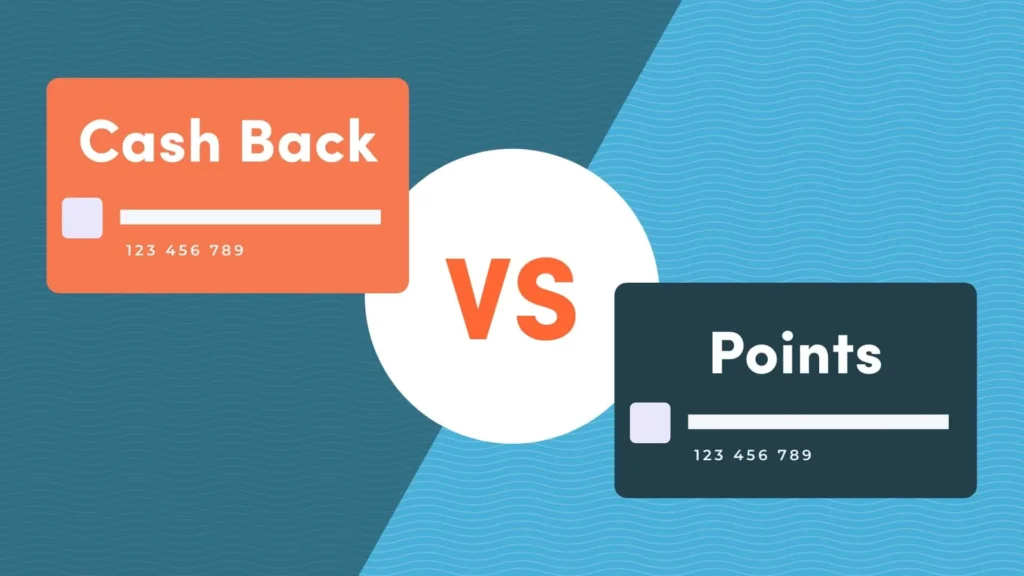
Reward structures are the backbone of any rewards credit cards for grocery shopping strategy. While cash back is straightforward—spend $1, earn $0.03—points can be more complex, offering higher nominal values when transferred to airline or hotel partners. However, points also require careful management to avoid devaluation.
Cash Back Mechanics
Cash back cards typically fall into three categories:
- Flat‑Rate Cards: Same percentage on all purchases, ideal for simplicity.
- Tiered Cards: Higher percentages on specific categories (e.g., 5% on groceries, 1% elsewhere).
- Rotating Category Cards: Offer high percentages on a limited set of categories that change quarterly.
For example, a card offering 5% cash back on groceries up to $6,000 per year translates to a maximum of $300 in cash back annually—perfect for high‑volume shoppers.
Points and Their Redemption Value
Points are usually awarded on a per‑dollar basis, but their worth fluctuates based on redemption method. A travel‑focused card may award 2 points per dollar on groceries, with each point worth 0.5 cents when transferred to airline miles, effectively delivering a 1% cash back equivalent. However, when used for premium cabin upgrades, the same points can be worth significantly more.
Understanding these nuances helps you decide whether a cash back or points‑centric rewards credit cards for grocery shopping approach better suits your financial objectives.
Maximizing Grocery Rewards: Proven Strategies

Even the best card will underperform if you don’t apply proven tactics to stretch every dollar. Below are actionable tips that work across most reward structures.
Combine Grocery Cards with Store Loyalty Programs
Many supermarkets run their own loyalty or coupon programs. By linking your credit card to these programs, you can earn double rewards: store points plus credit‑card cash back. Just ensure the card you choose does not categorize the store as a “superstore” (which may be excluded from grocery bonuses).
Leverage Rotating Category Bonuses
For cards with quarterly grocery boosts, set reminders to activate the bonus each new cycle. Some issuers automatically apply the higher rate, while others require enrollment. Missing the enrollment step can cost you up to 4% additional cash back per transaction.
Stack Discounts and Cashback Apps
Apps like Ibotta, Rakuten, or Fetch Rewards often provide additional rebates on top of your credit‑card earnings. By purchasing through these platforms and paying with a rewards credit cards for grocery shopping, you effectively compound savings.
Avoid Unnecessary Fees
High foreign transaction fees can erode benefits when buying imported food items online. Review the Credit Card Foreign Transaction Fees Guide to select a card with a 0% fee structure if you frequently shop on international e‑commerce sites.
Pay Off Balances Monthly
Rewards are meaningless if interest charges outweigh them. Treat your credit card like a cash‑back checking account: pay the full balance each month to keep the net benefit positive.
Case Studies: Real‑World Savings

Below are two illustrative scenarios demonstrating how different shoppers can extract value from rewards credit cards for grocery shopping.
Family of Four – High Grocery Spend
Monthly grocery bill: $800
Chosen card: 5% cash back on groceries up to $6,000 annually (Card A).
Annual cash back: 5% × $9,600 = $480.
Annual fee: $95.
Net benefit: $385.
By coupling the card with the supermarket’s loyalty program and a cash‑back app, the family earned an additional $120 in rebates, pushing total savings to $505.
Single Professional – Moderate Spend, Preference for Travel
Monthly grocery bill: $300
Chosen card: 2 points per dollar on groceries, transferable to airline partners (Card B).
Annual points earned: 2 × $3,600 = 7,200 points.
Transfer value: 7,200 × 0.015 = $108 (assuming 1.5 cents per point).
Annual fee: $0.
While cash back was lower, the traveler valued the flexibility of converting points to flight upgrades, effectively turning routine grocery runs into future vacation savings.
Potential Pitfalls and How to Avoid Them

Even savvy shoppers can fall into traps that diminish the value of their rewards credit cards for grocery shopping. Here are the most common issues and mitigation steps.
High Annual Fees Without Sufficient Spend
If your annual grocery spend is modest, a card with a $150 annual fee may never break even. Calculate the break‑even point before applying: divide the fee by the cash‑back rate to determine the required spend.
Category Misclassification
Some cards treat large warehouse clubs (e.g., Costco, Sam’s Club) as “wholesale” rather than “grocery,” excluding them from higher reward tiers. Verify the merchant code classification before relying on the card for those purchases.
Expiration of Bonus Periods
Rotating categories often reset every three months. Forgetting to re‑activate the grocery boost can silently drop your cash back from 5% to 1%, costing you up to $50 per quarter on a $1,000 spend.
Overspending to Chase Rewards
The temptation to buy extra items just to earn more points can backfire. Treat rewards as a bonus, not a justification for unnecessary expenditure.
FAQs About Rewards Credit Cards for Grocery Shopping
Do grocery rewards cards also work for online grocery orders?
Yes, most cards treat online grocery purchases the same as in‑store ones, as long as the merchant’s category code aligns with “grocery store.” However, be aware of any additional fees, such as delivery charges, that might affect the net reward.
Can I combine a grocery rewards card with a store’s credit card?
Absolutely. Using a store‑issued card for loyalty points and a separate rewards credit card for cash back can amplify overall earnings. Just ensure you can manage multiple payments without incurring interest.
Are there any credit cards that give higher rewards for organic or specialty foods?
Some niche cards partner with health‑food chains to offer extra points on organic purchases. For instance, Card D provides an additional 2 points per dollar on organic items at select retailers, making it ideal for health‑conscious shoppers.
How does my credit score affect eligibility for top grocery rewards cards?
Premium grocery reward cards often require good to excellent credit (typically a FICO score of 700+). Maintaining low credit utilization and a solid payment history increases your chances of approval.
What should I do if I notice an unauthorized grocery purchase?
Immediately contact your card issuer to dispute the transaction and request a fraud investigation. For broader protection strategies, see our guide on Credit Card Fraud Protection Tips – Essential Strategies for 2024.
Choosing the right rewards credit cards for grocery shopping can transform a routine expense into a powerful financial lever. By assessing your spending patterns, understanding the nuances between cash back and points, and applying the optimization tactics outlined above, you’ll unlock meaningful savings and potentially fund future travel or other goals. Remember to review your card’s terms annually, stay alert to category changes, and keep your balances paid in full to preserve the net benefit of every grocery run.