When it comes to everyday transactions, most consumers choose between a credit card and a debit card without fully understanding the security implications of each. Both cards sit comfortably in wallets, both can be swiped or tapped, and both pull funds from a financial institution—but the underlying mechanisms differ dramatically. The question “credit card vs debit card: which is safer?” therefore isn’t merely academic; it influences how quickly you can recover from fraud, how much liability you might incur, and even how your credit score evolves.
In this article we’ll dissect the safety features, legal protections, and practical realities of each payment method. By the end, you’ll be equipped to make an informed decision based on your spending habits, risk tolerance, and the evolving threat landscape of 2024.
We’ll also weave in actionable advice—like how to leverage the robust fraud‑prevention tools found in many credit cards, and how to safeguard the direct bank access that comes with debit cards. Along the way, you’ll find links to related resources such as Credit Card Fraud Protection Tips – Essential Strategies for 2024, ensuring you have a comprehensive toolkit at your fingertips.
credit card vs debit card: which is safer? A Deep Dive into Liability and Protection
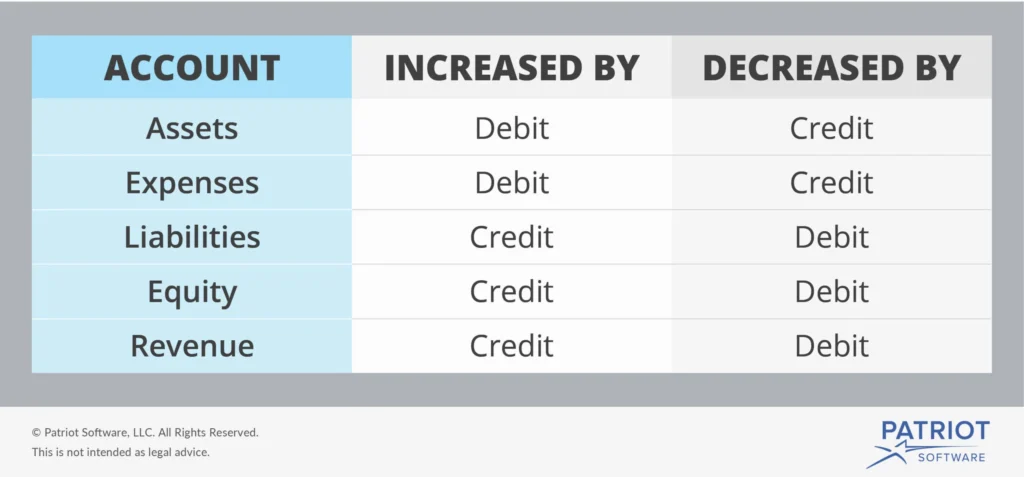
The first place to compare safety is the legal framework that governs each card type. In the United States, the Electronic Fund Transfer Act (EFTA) protects debit cards, while the Fair Credit Billing Act (FCBA) shields credit cards. Both laws limit consumer liability for unauthorized transactions, but they do so in distinct ways.
credit card vs debit card: which is safer when fraud strikes?
- Liability caps: For credit cards, liability tops out at $50, and most issuers waive even that if you report promptly. Debit cards also limit liability to $50, but the timeline is stricter—report within two business days to avoid up to $500, and after 60 days you could be on the hook for the full amount.
- Impact on funds: A fraudulent credit‑card charge merely adds to your balance, which you can pay off over time. A compromised debit card immediately drains the linked checking account, potentially leaving you without cash for rent, utilities, or other essentials.
- Dispute process: Credit‑card disputes often resolve within 30‑90 days, with the issuer providing provisional credit. Debit‑card disputes may take longer, and the bank can hold the funds while it investigates, creating short‑term cash flow problems.
These differences tip the scales heavily toward credit cards when it comes to immediate financial safety. However, the story does not end with liability; the technology behind each card also contributes to overall security.
Technological Safeguards: Chip, Tokenization, and Real‑Time Alerts
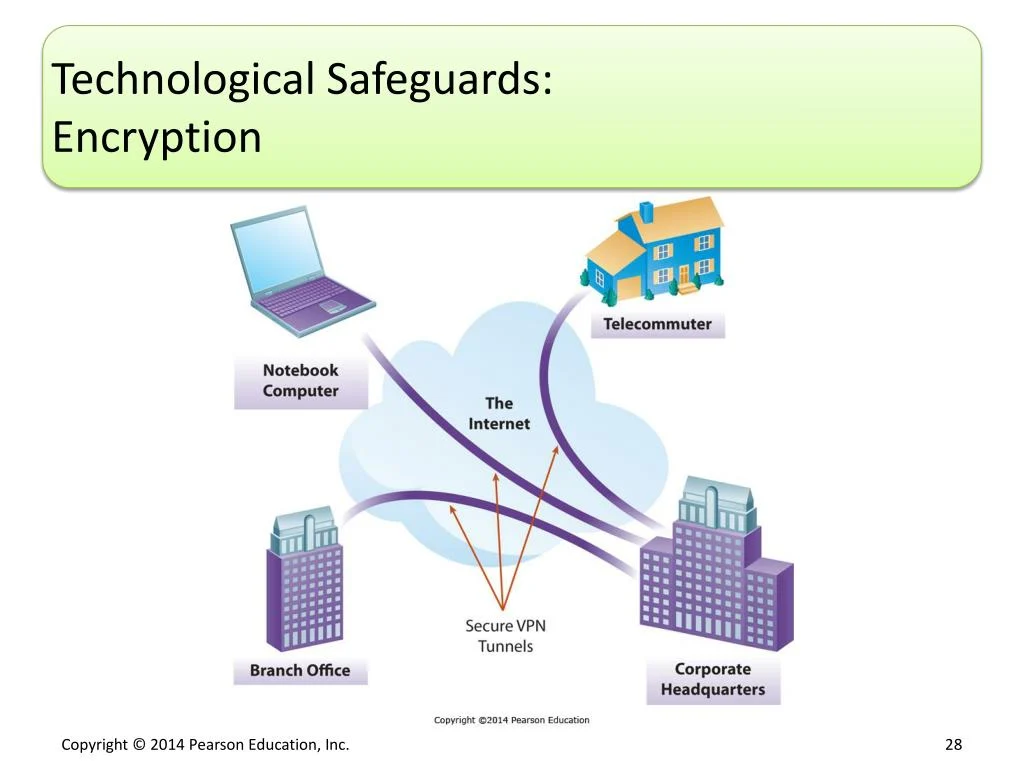
Both credit and debit cards now employ EMV chips, which generate a unique transaction code for each purchase, drastically reducing counterfeit fraud. Yet, the surrounding ecosystem varies.
How tokenization enhances credit card safety
Many modern credit‑card issuers tokenize your card number when you shop online or use mobile wallets. The merchant receives a surrogate token, not the actual PAN (Primary Account Number), rendering data breaches far less useful. Some debit cards offer tokenization, but it is less common and often limited to specific banks.
Real‑time fraud monitoring and alerts
Credit‑card companies typically invest heavily in AI‑driven fraud detection, flagging anomalous patterns and sending instant alerts via SMS or app notifications. Debit‑card providers also monitor activity, but the response can be slower, especially for smaller banks without sophisticated analytics platforms.
Credit Score Considerations and Long‑Term Financial Health
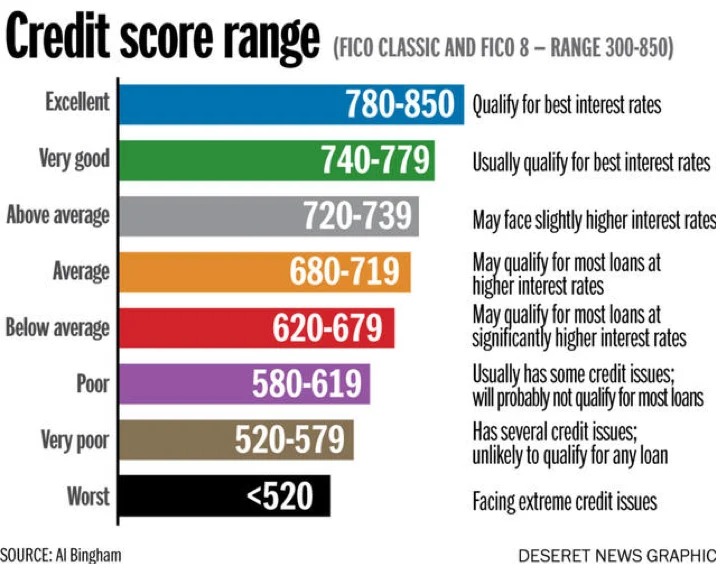
Beyond immediate safety, the choice between credit and debit impacts your credit profile. Using a credit card responsibly—paying the balance in full each month—helps build a positive credit history, which can lower borrowing costs for mortgages, auto loans, and other financing.
Debit cards, by contrast, do not affect credit scores because they draw directly from checking accounts. While this may seem neutral, it also means you miss out on the “credit‑building” benefit that a well‑managed credit card offers. For many, the trade‑off is worth it: the safety net of a credit card plus the credit‑building advantage.
Practical Tips to Maximize Safety Regardless of Card Choice
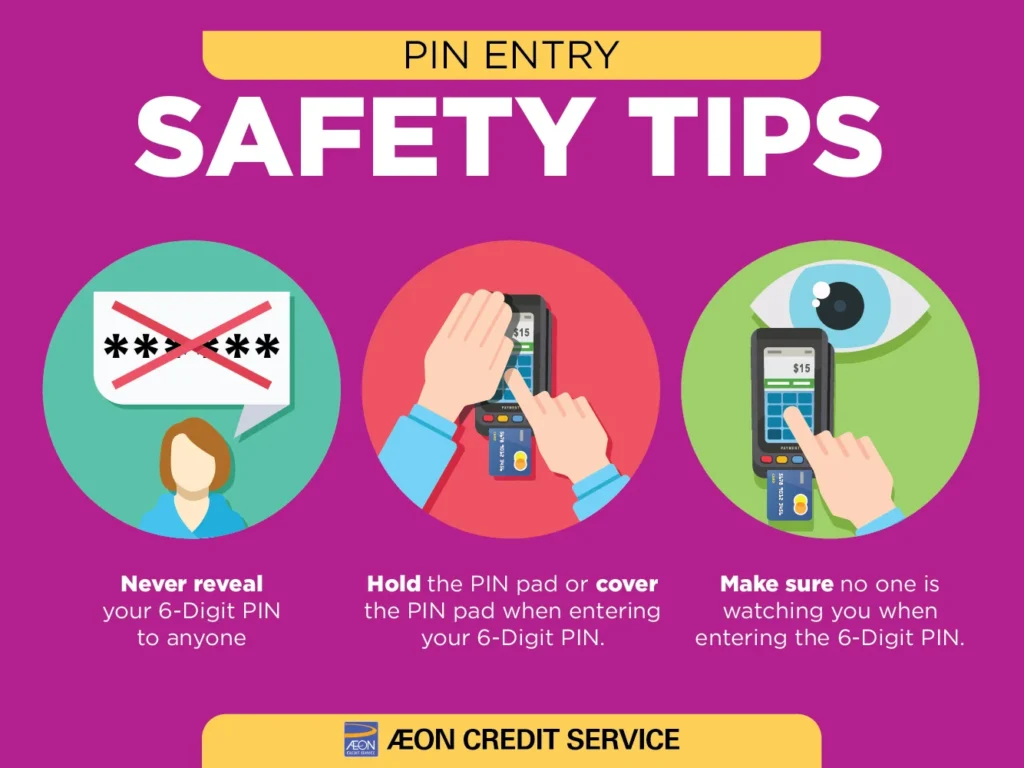
Even the safest card can become a liability if you neglect basic security hygiene. Below are actionable steps you can implement today.
Enable two‑factor authentication (2FA) on all banking apps
Whether you prefer credit or debit, protecting the digital portal that controls your accounts is crucial. 2FA adds a second layer—usually a text code or biometric check—making unauthorized access far more difficult.
Set custom transaction alerts
Most issuers allow you to receive instant notifications for transactions exceeding a set amount, or for all purchases. Tailor these alerts to your spending patterns to spot anomalies instantly.
Regularly review statements and use dispute tools
Make it a habit to scan your statements weekly. If you spot a discrepancy, use the issuer’s online dispute portal. The quicker you act, the stronger your protection under the law.
Consider virtual card numbers for online shopping
Some credit‑card providers generate temporary card numbers that can be used for a single transaction. This practice isolates your real account number from merchants, mitigating the risk of data theft. If your bank offers this feature, it can be a game‑changer for e‑commerce safety.
Keep a backup payment method
Maintain a secondary card (preferably a credit card) or a prepaid card for emergencies. If your primary debit card is compromised, you’ll have an alternative source of funds while the issue is resolved.
When Debit Cards May Be Preferable

Despite the safety advantages of credit cards, there are scenarios where a debit card makes more sense.
- Budget control: Since debit transactions pull directly from your checking account, you cannot spend more than you have, reducing the temptation to carry a revolving balance.
- No interest or annual fees: Debit cards typically have no interest charges, whereas credit cards may accrue interest if the balance isn’t paid in full.
- Limited credit exposure: If you’re concerned about over‑extending credit or attracting high‑interest debt, a debit card eliminates that risk entirely.
In these cases, pairing a debit card with robust fraud protection (e.g., enabling alerts, using tokenized mobile payments) can provide a balanced approach to safety.
Choosing the Right Card for Your Lifestyle

Ultimately, the answer to “credit card vs debit card: which is safer?” hinges on your personal financial habits.
If you value immediate protection against unauthorized spending, enjoy the benefits of rewards, and want to build credit, a credit card is generally the safer option. On the other hand, if you prioritize strict budgeting, want to avoid any possibility of interest, and are comfortable managing a checking‑account‑linked payment method, a debit card can be safe—provided you supplement it with vigilant monitoring and the security tools your bank offers.
Many consumers find that a hybrid strategy works best: use a credit card for online purchases, travel, and larger expenses—leveraging its fraud‑shield and rewards—while reserving a debit card for everyday cash‑based transactions or when they wish to limit exposure to credit.
For those interested in maximizing credit‑card benefits while staying secure, explore resources such as Cash Back Credit Cards for Everyday Purchases – Complete 2024 Guide and Tips for Maximizing Airline Miles with Credit Cards – Expert Guide. These guides walk you through selecting cards that align with your spending patterns and include built‑in fraud protections.
In conclusion, while both cards have their merits, credit cards consistently offer stronger safety nets against fraud, less disruption to cash flow, and additional financial advantages. By pairing the right card with disciplined security practices, you can navigate the modern payment landscape confidently.
Frequently Asked Questions
What is the liability limit for unauthorized credit‑card transactions?
Under the Fair Credit Billing Act, liability is capped at $50, and most issuers waive this amount entirely if the fraud is reported promptly.
Can I use a debit card for online purchases safely?
Yes, especially if your bank offers tokenization or virtual card numbers. Enable two‑factor authentication and set transaction alerts to add layers of protection.
Do credit cards affect my credit score if I only use them for small purchases?
Yes. Even modest, regular use—provided you pay the balance in full each month—demonstrates responsible credit behavior and can improve your credit score over time.
How quickly are fraudulent charges removed from a debit‑card account?
The process can take longer than with credit cards, often requiring the bank to investigate while your funds remain frozen. Prompt reporting helps reduce the investigation period.
Is it better to keep both a credit and a debit card?
Many experts recommend a hybrid approach: use a credit card for purchases that benefit from rewards and stronger fraud protection, and a debit card for cash‑withdrawal or budgeting purposes.