In today’s cash‑centric world, credit cards have evolved far beyond a simple borrowing tool. They now serve as powerful rewards engines that can turn routine spending—groceries, gas, utilities—into tangible cash back. For consumers who pay their balances in full each month, selecting the right cash back credit cards for everyday purchases can effectively turn everyday expenses into a modest source of income.
This article dives deep into the mechanics of cash back programs, evaluates the top cards on the market, and offers actionable strategies to ensure you capture the maximum return on every transaction. Whether you’re a seasoned rewards enthusiast or a newcomer looking to get started, the insights below will help you make informed decisions and boost your financial health.
Understanding Cash Back Credit Cards for Everyday Purchases
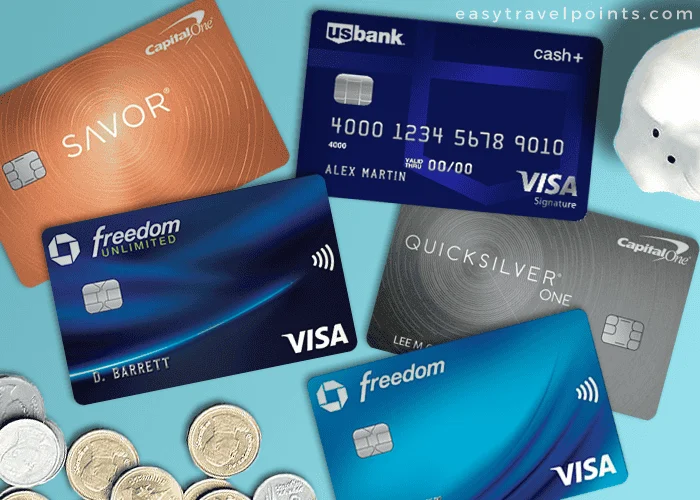
At their core, cash back credit cards reward you with a percentage of your spend, returned as a statement credit, direct deposit, or check. The appeal lies in the simplicity—spend as you normally would, and watch a portion of that spend flow back into your pocket. However, not all cash back cards are created equal, especially when it comes to everyday purchases.
How Cash Back Rates Are Structured
- Flat‑rate cards: Offer a single cash back percentage on all purchases (e.g., 1.5% on everything).
- Tiered or category‑based cards: Provide higher rates on specific categories such as groceries, dining, or gas, and a lower base rate on all other spend.
- Rotating‑category cards: Feature quarterly bonus categories that can reach 5% or more, but require activation and have caps.
- Hybrid models: Combine a flat‑rate on most spend with elevated rates on a limited set of everyday categories.
Choosing the right structure hinges on where you spend the most. A household that spends heavily on groceries and fuel will benefit from a card that offers 4% cash back on those categories, while a frequent traveler may prioritize travel‑related rewards.
Top Cash Back Credit Cards for Everyday Purchases in 2024
Below is a curated list of the most competitive cards, evaluated on cash back rates, annual fees, and ancillary benefits. All cards listed are suitable for consumers who can pay the balance in full each month, thereby avoiding interest charges that would otherwise nullify the cash back earned.
1. Citi® Double Cash Card – A Classic Flat‑Rate Performer
- Cash back rate: 2% on all purchases (1% when you buy, 1% when you pay).
- Annual fee: $0.
- Key benefits: Simple, unlimited cash back; easy redemption via statement credit or direct deposit.
The Citi Double Cash Card remains a top choice for those who prefer a “set‑it‑and‑forget‑it” approach. Because the reward is applied both at purchase and payment, the card effectively doubles the cash back you’d expect from a typical 1% flat‑rate card.
2. Blue Cash Preferred® Card from American Express – Grocery & Streaming Powerhouse
- Cash back rate: 6% on U.S. supermarkets (up to $6,000 per year), 6% on select streaming services, 3% on transit, 1% on other purchases.
- Annual fee: $0 intro for the first year, then $95.
- Key benefits: High grocery rewards, strong streaming category, travel protections.
If your household spends heavily on groceries, this card can quickly outweigh its annual fee. For example, $5,000 in grocery spend per year yields $300 in cash back—more than enough to cover the fee and still generate net earnings.
3. Chase Freedom Flex℠ – Versatile Rotating Categories
- Cash back rate: 5% on up to $1,500 in rotating quarterly categories (activation required), 5% on travel purchased through Chase Ultimate Rewards®, 3% on dining and drugstores, 1% on everything else.
- Annual fee: $0.
- Key benefits: No foreign transaction fees, robust bonus categories, easy integration with Chase Sapphire cards for point transfers.
For those who don’t mind a little administration, the rotating categories often align with everyday spend—such as grocery stores, gas stations, or online shopping platforms—making it a strong contender for maximizing cash back on routine purchases.
4. Discover it® Cash Back – Introductory Matching Bonus
- Cash back rate: 5% on rotating quarterly categories (up to $1,500 each quarter), 1% on all other purchases.
- Annual fee: $0.
- Key benefits: Cashback match at the end of the first year (doubles your cash back), free FICO score, no foreign transaction fees.
The first‑year cash back match effectively turns a 1% flat‑rate card into a 2% card for the entire year, providing an excellent boost for those new to cash back rewards.
5. Capital One SavorOne Cash Rewards Credit Card – Dining & Entertainment Focus
- Cash back rate: 3% on dining, entertainment, popular streaming services, and grocery stores, 1% on all other purchases.
- Annual fee: $0.
- Key benefits: No foreign transaction fees, free credit score access, and an introductory 0% APR on purchases for 12 months.
While primarily a dining and entertainment card, the SavorOne’s 3% on grocery spend also makes it a solid pick for everyday purchases, especially for households that enjoy cooking at home.
Strategic Tips to Maximize Cash Back on Everyday Purchases
Combine Cards to Cover All Spending Categories
Using a single card for every transaction rarely yields the highest possible return. By pairing a flat‑rate card (such as the Citi Double Cash) with a high‑earning grocery card (like the Blue Cash Preferred), you can capture the best rate in each category. This strategy ensures you never leave money on the table.
Leverage Introductory Bonuses Wisely
Many cards offer sign‑up bonuses that can dramatically increase your cash back in the first few months. Align your larger purchases—such as home appliances or holiday shopping—with the bonus spend requirement to maximize the benefit. However, avoid overspending merely to meet the threshold; the net gain must outweigh any additional cost.
Activate Rotating Categories Promptly
For cards like the Chase Freedom Flex or Discover it, missing the quarterly activation can cost you up to 5% cash back on eligible purchases. Set a calendar reminder at the beginning of each quarter to activate the categories, and consider linking the card to a budgeting app that categorizes spend automatically.
Utilize Redemption Options That Match Your Lifestyle
Cash back can be redeemed as statement credits, direct deposits, gift cards, or even charitable donations. Some cards offer higher value when you choose certain redemption methods (e.g., Amazon gift cards). Choose the option that provides the greatest utility for you, ensuring the reward feels tangible.
Watch for Category Caps and Plan Accordingly
High‑rate categories often have annual caps (e.g., 6% on groceries up to $6,000). If you anticipate exceeding these limits, switch to a flat‑rate card for the overflow spend to maintain a respectable return. Tracking your spend via an expense tracker can help you stay within the sweet spot.
Potential Pitfalls and How to Avoid Them

Even the most rewarding cash back cards can become costly if mismanaged. Below are common mistakes and practical remedies.
Carrying a Balance
Cash back earned is quickly erased by interest charges. If you cannot guarantee full monthly payment, consider a low‑interest card or a balance‑transfer strategy. Our Mastering Credit Card Balance Transfer Strategies for Debt Relief guide explains how to minimize interest while still enjoying rewards.
Overlooking Annual Fees
High‑rate cards often carry an annual fee. Perform a simple break‑even analysis: divide the fee by the cash back percentage to calculate the required spend needed to offset the cost. If your annual spend in the bonus categories falls short, a $0‑fee alternative may be more sensible.
Ignoring Redemption Fees
Some cards charge a fee for certain redemption methods (e.g., cash advances). Always review the terms and choose fee‑free options like statement credits or direct deposits.
Missing Out on Additional Benefits
Many cash back cards bundle perks such as purchase protection, travel insurance, and extended warranties. Even if you focus on everyday purchases, these ancillary benefits can add significant value. For a deeper dive into travel-related perks, see our Credit Card Travel Insurance Benefits Explained – Your Complete Guide.
Choosing the Right Card for Your Lifestyle

Before committing to a card, assess the following personal factors:
- Spending patterns: Identify top expense categories—groceries, gas, streaming, dining.
- Credit score: Premium cards often require good to excellent credit.
- Ability to pay in full: Cash back rewards are only beneficial if you avoid interest.
- Desired redemption method: Direct deposit vs. statement credit vs. gift cards.
Use a spreadsheet or budgeting app to simulate annual cash back under different card combinations. This quantitative approach removes guesswork and highlights the most lucrative mix for your specific situation.
FAQs

What is the difference between cash back and points?
Cash back is a direct monetary rebate, typically expressed as a percentage of spend, and can be redeemed as a statement credit or deposit. Points, on the other hand, are earned in a loyalty program and must be converted into travel, merchandise, or gift cards, often at varying rates. Cash back is generally more straightforward for everyday purchases.
Can I earn cash back on online subscriptions?
Yes, many cards treat subscription services (e.g., Netflix, Spotify) as regular purchases. Some cards, such as the Blue Cash Preferred, even offer elevated rates (up to 6%) on select streaming services. Review the card’s terms to confirm eligibility.
Do cash back cards have foreign transaction fees?
Some do, while others, like the Discover it® Cash Back, waive these fees. If you travel abroad frequently, select a no‑fee card to avoid eroding your rewards. Our Credit Card Foreign Transaction Fees Guide provides a comprehensive overview.
How long does it take to receive cash back?
Most issuers credit cash back to your account monthly or quarterly, depending on the card. Some allow you to redeem at any time, while others require a minimum balance (often $25) before redemption.
Is it worth opening a new card just for a sign‑up bonus?
If the bonus outweighs any annual fee and you can meet the spend requirement without altering your normal budgeting habits, it can be worthwhile. However, frequent applications may impact your credit score, so space out new accounts and monitor your credit health.
By thoughtfully selecting and managing your cash back credit cards for everyday purchases, you can turn routine expenses into a steady stream of savings. Remember to align card features with your spending habits, stay disciplined about paying balances in full, and periodically reassess your card lineup to adapt to life’s changes. With the right strategy, cash back can become a subtle yet powerful component of your overall financial plan.