Carrying high‑interest credit card debt can feel like a never‑ending cycle, especially when monthly payments barely make a dent in the principal. One of the most effective tools in a consumer’s arsenal is the balance transfer—a method that, when executed with precision, can dramatically lower interest costs and accelerate the path to financial freedom.
However, the success of a balance transfer hinges on more than simply moving a balance to a 0 % introductory offer. It requires a well‑crafted plan, awareness of hidden fees, timing considerations, and disciplined post‑transfer behavior. In this comprehensive guide we will unpack proven credit card balance transfer strategies, explain the mechanics behind them, and provide actionable steps you can implement today.
Whether you are a seasoned credit‑card user looking to fine‑tune your approach or a first‑time borrower seeking a clear roadmap, the strategies outlined below will help you maximize the benefits of balance transfers while avoiding common traps that can erode savings.
Effective Credit Card Balance Transfer Strategies to Reduce Interest
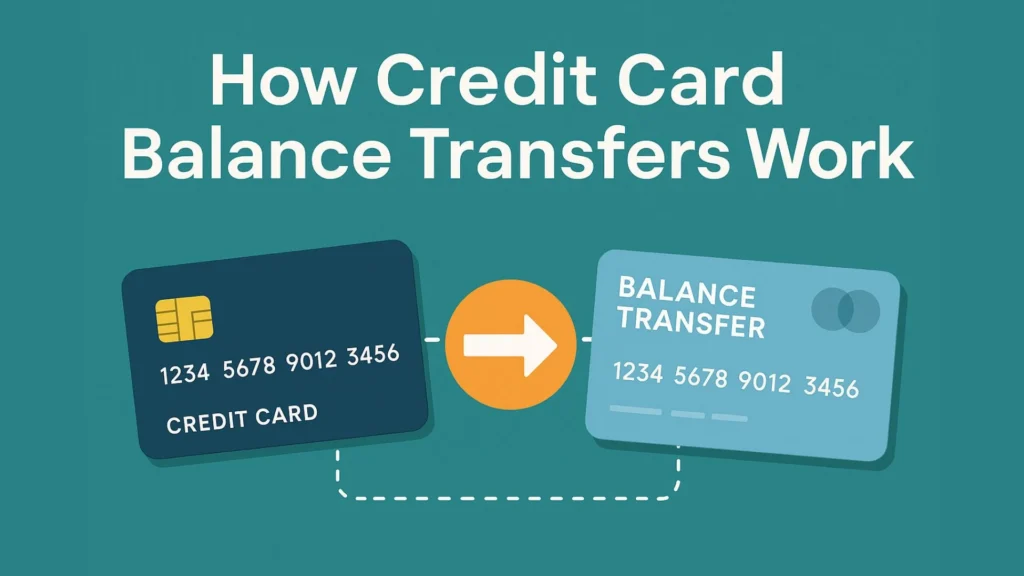
At the heart of any successful balance transfer lies a clear objective: move high‑interest debt to a card that offers a low or 0 % introductory APR, then pay down the principal before the promotional period expires. Below are the foundational steps that form the backbone of any credit card balance transfer strategies.
1. Identify the Right Card for Your Transfer
- 0 % APR Length: Look for offers that provide at least 12‑18 months of 0 % APR on balance transfers. Longer periods give you more time to chip away at the balance without accruing interest.
- Transfer Fees: Most cards charge a fee of 3‑5 % of the transferred amount. Calculate the fee against the interest you’ll save to ensure the move is worthwhile.
- Credit Score Requirements: Premium balance‑transfer cards often demand good to excellent credit. If your score is lower, consider cards with slightly higher fees but more accessible approval criteria.
When evaluating options, you may also want to compare other card benefits. For example, if you frequently travel, a card that also offers travel rewards could add extra value. Check out the Best Credit Cards for Travel Rewards – 2024 Guide for a curated list.
2. Calculate the True Cost of the Transfer
Before you initiate a transfer, run the numbers. Use a simple spreadsheet to compare:
- Current interest rate and monthly interest charge.
- Balance‑transfer fee (percentage of the amount).
- Projected interest savings over the promotional period.
- Potential penalty APR if you miss a payment.
If the fee exceeds the interest you would have paid, the transfer may not be justified. This calculation is a core component of any credit card balance transfer strategies.
3. Time Your Transfer for Maximum Impact
Timing can dramatically influence the effectiveness of your strategy. Aim to initiate the transfer early in the billing cycle of the new card so that the 0 % APR period starts as soon as possible. Additionally, consider the following timing tips:
- After a Payoff Milestone: If you’ve recently reduced your debt to a manageable level, a transfer can lock in low rates for the remaining balance.
- Before Rate Hikes: Anticipate upcoming interest‑rate increases from your existing card issuer and act before they take effect.
- During Promotional Windows: Some issuers launch limited‑time balance‑transfer promotions. Keep an eye on newsletters and financial news sites.
4. Prioritize Payments During the Promotional Period
Securing a low‑interest rate is only half the battle; the other half is disciplined repayment. Here’s how to stay on track:
- Set Up Automatic Payments: Align the payment date with your payday to avoid missed payments that could trigger a penalty APR.
- Pay More Than the Minimum: Even a modest increase above the minimum can dramatically shorten the payoff timeline.
- Allocate Extra Funds: Direct any bonuses, tax refunds, or side‑gig earnings toward the transferred balance.
5. Avoid Common Pitfalls That Nullify Savings
Even the best‑crafted credit card balance transfer strategies can be undone by careless mistakes. Watch out for these frequent errors:
- Missing a Payment: A single late payment can revert the promotional APR to the standard rate, often a steep penalty APR.
- Continuing to Spend on the Old Card: Accumulating new debt on the original high‑rate card defeats the purpose of the transfer.
- Ignoring the End Date: Failing to pay off the balance before the intro period expires can result in a sudden surge in interest charges.
6. Leverage Multiple Transfers for Complex Debt Profiles
If you have several credit cards with varying balances and rates, a single transfer may not be sufficient. Consider a tiered approach:
- Primary Transfer: Move the highest‑interest balance to a 0 % APR card with the longest promotional period.
- Secondary Transfer: Use a second balance‑transfer card to handle the next highest‑rate debt, especially if the first card’s credit limit is insufficient.
- Consolidate When Possible: Some issuers allow you to combine multiple balances onto one card after the initial transfer, simplifying management.
7. Combine Balance Transfers with Debt‑Snowball or Debt‑Avalanche Methods
Integrating your balance‑transfer plan with established debt‑repayment strategies amplifies results. The debt‑snowball method focuses on paying off the smallest balances first, providing psychological wins, while the debt‑avalanche targets the highest‑interest balances, maximizing financial savings. By aligning the 0 % APR period with either approach, you maintain momentum and ensure that the transferred balance shrinks rapidly.
8. Monitor Your Credit Utilization Ratio
Balance transfers can temporarily increase your overall credit utilization, especially if you’re moving large sums to a card with a lower limit. High utilization can impact your credit score, which in turn affects future loan or credit opportunities. To mitigate this:
- Request a credit limit increase on the new card before the transfer.
- Pay down the transferred balance quickly to keep utilization under 30 % of the total credit limit.
- Consider keeping older accounts open (but unused) to maintain overall available credit.
9. Use Balance Transfer Offers as Part of a Larger Financial Plan
Balance transfers should not exist in isolation. Incorporate them into a broader financial strategy that includes:
- Building an emergency fund to avoid future reliance on credit cards.
- Reviewing budgeting tools to track expenses and identify areas for cut‑backs.
- Exploring other low‑interest financing options, such as personal loans, if they present a better overall cost structure.
For a holistic view of credit‑card related safety, you may also want to read Credit Card Fraud Protection Tips – Essential Strategies for 2024, which outlines safeguards to keep your accounts secure while you focus on debt reduction.
10. Review the Card’s Terms After the Introductory Period
Once the promotional period ends, the card will revert to its standard purchase APR, which may be higher than your original rate. Before the period lapses, assess whether you can refinance the remaining balance again—perhaps with a new balance‑transfer offer or a low‑interest personal loan. Staying proactive prevents unexpected interest spikes.
Putting It All Together: A Sample Action Plan
- Assess Your Debt: List each credit‑card balance, interest rate, and minimum payment.
- Research Offers: Use comparison sites to find cards with the longest 0 % APR periods and reasonable transfer fees.
- Run the Numbers: Calculate total savings versus transfer fees.
- Apply and Transfer: Submit the application, request the transfer, and confirm the exact start date of the promotional APR.
- Set Up Automatic Payments: Ensure at least the minimum payment is made on time each month.
- Accelerate Payments: Allocate any extra cash toward the transferred balance.
- Monitor Progress: Track balance reduction and watch the countdown to the promotional end date.
- Plan the Next Move: If a balance remains, explore a second transfer or alternative financing before the APR reset.
By following this structured approach, you align every decision with the core credit card balance transfer strategies that drive real savings.
FAQ
- What is a typical balance‑transfer fee? Most issuers charge between 3 % and 5 % of the transferred amount. Some promotional offers may waive the fee for the first transfer.
- Can I transfer a balance to more than one card? Yes. Splitting balances across multiple cards can help you stay within credit limits and maximize promotional periods.
- Will a balance transfer affect my credit score? Initially, a hard inquiry may cause a slight dip. However, if you maintain low utilization and make on‑time payments, your score can improve over time.
- Do balance transfers work for student credit cards? Some student cards offer balance‑transfer options, but they often come with higher fees. Review the Student Credit Cards with Low Interest Rates – A Comprehensive Guide for alternatives.
- How long does it take for a balance transfer to post? Transfers typically process within 7‑14 business days. During this window, continue paying the original card to avoid late fees.
Implementing disciplined credit card balance transfer strategies can transform a daunting debt situation into a manageable, even empowering, financial journey. By selecting the right card, calculating costs accurately, timing the transfer wisely, and committing to aggressive repayment, you set the stage for lasting financial health. Remember, the ultimate goal isn’t just lower interest—it’s gaining control over your finances and building a foundation for future prosperity.